
freemasonry bible pdf
Freemasonry and the Bible: A Comprehensive Guide
Discover readily available Freemasonry Bible PDF downloads via the Internet Archive, Folkscanomy, and other online resources, offering access to sacred texts and Masonic insights.
What is the Masonic Bible?
The Masonic Bible isn’t a distinct translation, but rather a specially prepared edition of the King James Version (Authorized Version) of the Holy Bible. It’s esteemed as “The Great Light” in Freemasonry, serving as a fundamental tool for study and ritual. These Bibles often include features tailored for Masonic use, such as illuminated frontispieces, presentation pages for gifting, and dedicated record pages for lodge history.
Crucially, many editions incorporate supplementary materials like descriptions of Solomon’s Temple – detailed by figures like John Wesley Kelchner – and insights into the Tabernacle in the Wilderness. Resources like Jos. V. Collins’ “New Practical Course in Bible Reading” are also frequently included to aid Masonic students. Digitized versions, available as Freemasonry Bible PDF downloads from sources like the Internet Archive and Folkscanomy, provide widespread access to these unique texts.

Historical Context of the Masonic Bible

The association between Freemasonry and the Bible dates back to the earliest days of the fraternity, evolving alongside the use of the King James Version. As Freemasonry developed, the Bible became central to its rituals and symbolism, reflecting a desire to connect the craft with established religious traditions. Early Masonic Bibles were often personal possessions, carefully annotated and passed down through generations.
The late 19th and early 20th centuries saw the rise of specifically designed Masonic Bibles, published with features catering to lodge needs. Today, accessing historical editions is facilitated by digitization projects. Numerous Freemasonry Bible PDF versions are available on platforms like the Internet Archive and Folkscanomy, preserving these texts for study. These digital resources offer invaluable insights into the historical relationship between the fraternity and the scriptures.
The Holy Bible as “The Great Light” in Freemasonry
Within Freemasonry, the Holy Bible is revered as “The Great Light,” representing moral and spiritual guidance for members. This designation underscores the Bible’s importance as a foundational text for Masonic principles and teachings. Lodges universally require a Bible – specifically the King James Version – to be present during meetings, symbolizing a connection to divine wisdom.
The Bible isn’t treated as a theological textbook, but rather as a source of allegorical lessons and ethical principles. Accessing these lessons is now easier than ever, with numerous Freemasonry Bible PDF versions available online. Platforms like the Internet Archive provide digitized copies, allowing for convenient study. These PDF resources enable Masonic students to explore the scriptural foundations of the fraternity’s rituals and symbolism.
Authorized (King James) Version and its Significance
The Authorized Version, also known as the King James Version, holds a unique position in Freemasonry. Its selection isn’t based on theological preference, but historical precedent; it was the standard English Bible during the formative years of the fraternity. Consequently, Masonic rituals and lectures frequently reference its specific phrasing and verses.
Finding a Freemasonry Bible PDF often means locating a digitized version of the King James Version. The Internet Archive and Folkscanomy are valuable resources for this purpose, offering scanned copies of Masonic Bibles that adhere to this standard. The consistent use of this translation ensures uniformity in interpretation and practice across different lodges. Accessing these PDF versions allows members to study the text used in their ceremonies and deepen their understanding of Masonic symbolism.

Illuminated Frontispiece and Presentation Pages
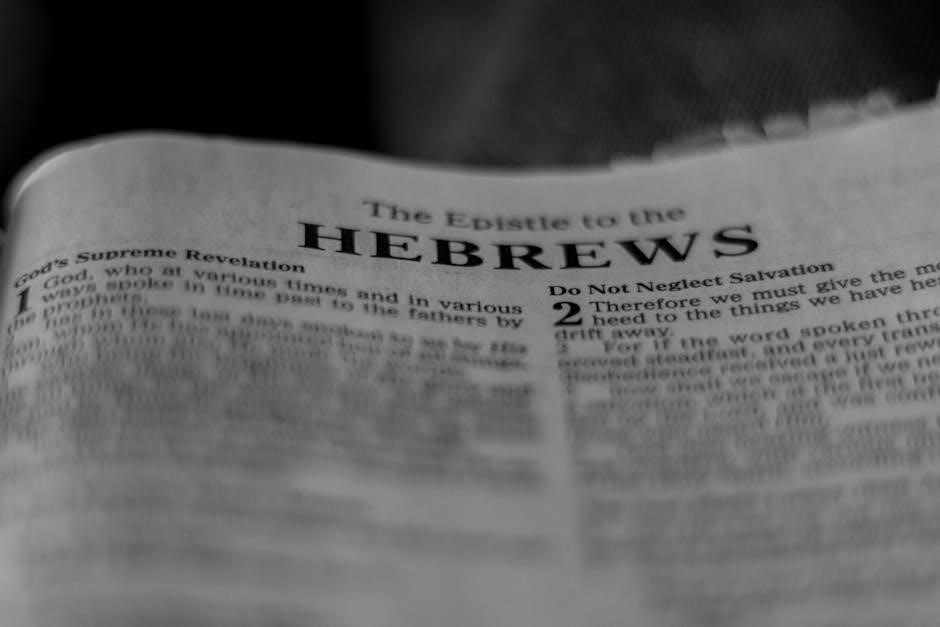
Masonic Bibles frequently feature beautifully illuminated frontispieces, often depicting symbolic imagery like the Square and Compasses, or Solomon’s Temple. These aren’t merely decorative; they serve as visual reminders of core Masonic principles. Presentation pages, intended for inscription, mark the Bible as a significant gift, often bestowed upon a new member during initiation or advancement.
When searching for a Freemasonry Bible PDF, pay attention to whether the scan includes these features. High-quality digital copies on platforms like the Internet Archive strive to reproduce these details faithfully. These pages add to the historical and ceremonial value of the Bible, showcasing the artistry and reverence associated with the volume. Examining these elements within a PDF provides insight into the traditions surrounding the presentation and use of the Masonic Bible.
Record Pages and Their Purpose
Masonic Bibles traditionally include dedicated record pages, serving as a lodge’s official register of members, officers, and significant events. These pages meticulously document initiation dates, advancements through degrees, and officer installations, creating a historical lineage of the lodge. They represent a tangible connection to the fraternity’s past and a commitment to preserving its traditions.
When exploring a Freemasonry Bible PDF, these record pages offer a fascinating glimpse into the lodge’s history. While some PDF scans may not capture these pages due to privacy or legibility issues, those that do provide valuable genealogical and historical data. Researchers and Masonic scholars can utilize these records to trace membership patterns and understand the evolution of individual lodges. Accessing these details within a digital format expands the reach of this historical information.
Helps for the Masonic Student
Freemasonry Bible PDFs often incorporate “Helps for the Masonic Student,” designed to enhance understanding of biblical references within Masonic rituals and symbolism. These sections frequently include concordances linking biblical verses to specific Masonic degrees or lectures, aiding in deeper study. They may also offer commentaries explaining the allegorical interpretations of biblical stories relevant to Freemasonry.
When utilizing a digital Freemasonry Bible PDF, these “Helps” become readily searchable, facilitating efficient research. Students can quickly locate passages and interpretations, fostering a more comprehensive grasp of the fraternity’s teachings. Resources like Jos. V. Collins’ “New Practical Course in Bible Reading,” sometimes included, provide structured study guides. These digital aids empower Masonic members to explore the rich connections between the Bible and Freemasonry.

Specific Editions and Resources
Explore unique Freemasonry Bible PDF editions, including those with Kelchner’s Temple descriptions and Collins’ Bible reading course, readily available online.
John Wesley Kelchner’s Description of Solomon’s Temple
John Wesley Kelchner’s detailed depiction of Solomon’s Temple, often prefaced within Freemasonry Bible PDF editions, provides a crucial architectural and symbolic foundation for Masonic study. His work, frequently found accompanying the Authorized Version, isn’t merely a historical reconstruction; it’s a key to understanding the allegorical lessons embedded within Masonic rituals.
Kelchner’s meticulous descriptions, available through resources like the Internet Archive, illuminate the Temple’s dimensions, materials, and ornamentation, connecting these elements to Masonic symbolism. This detailed account allows initiates to visualize the sacred space central to many Masonic degrees. Accessing these PDF versions allows for in-depth study, enhancing comprehension of the Temple’s significance as a representation of the universe and humanity’s spiritual journey. His work is considered essential for those seeking a deeper understanding of the Bible’s influence on Freemasonry.
The Tabernacle in the Wilderness: A Masonic Perspective
The Tabernacle in the Wilderness, frequently detailed alongside Solomon’s Temple in Freemasonry Bible PDF resources, holds profound symbolic weight within Masonic thought. Often prefaced in editions available on platforms like the Internet Archive and Folkscanomy, its design and furnishings are viewed as precursors to the later Temple, embodying essential spiritual principles.
From a Masonic viewpoint, the Tabernacle represents a portable sanctuary, mirroring the journey of spiritual enlightenment. Its various components – the Ark of the Covenant, the altar, and the veil – are interpreted as allegorical representations of moral and ethical lessons. Studying these details within a Freemasonry Bible PDF enhances understanding of Masonic rituals and symbolism. The Tabernacle’s construction, as described in the Bible, provides a rich source of imagery for Masonic allegory, fostering contemplation on themes of faith and divine presence.
Jos. V. Collins’ “New Practical Course in Bible Reading”
Jos. V. Collins’ “New Practical Course in Bible Reading,” often included as an appendix within Freemasonry Bible PDF editions, serves as a valuable companion for Masonic students. Accessible through resources like the Internet Archive and Folkscanomy, this course aims to deepen biblical understanding relevant to Freemasonry. It provides a structured approach to studying key passages and themes frequently referenced in Masonic rituals and symbolism.
The course emphasizes contextual interpretation, encouraging readers to explore the historical and cultural background of biblical texts. This approach aligns with the Masonic practice of seeking deeper meaning beyond literal interpretations. By utilizing Collins’ guide alongside a Freemasonry Bible PDF, members can enhance their comprehension of the allegorical connections between scripture and Masonic teachings, enriching their overall experience within the fraternity.
Freemasonry and Biblical Characters
Freemasonry frequently employs biblical characters within its rituals and allegorical teachings, readily explored within comprehensive Freemasonry Bible PDF resources available online. Figures like Noah, Solomon, and Hiram Abiff are central to Masonic symbolism, representing virtues such as faith, wisdom, and dedication. These characters aren’t presented as historical figures solely, but as archetypes embodying moral and spiritual lessons.
Accessing a Freemasonry Bible PDF allows members to study the biblical context of these figures, understanding how Masonic interpretations build upon, or diverge from, traditional readings. The fraternity utilizes these narratives to convey ethical principles and philosophical concepts. Resources like the Internet Archive offer digitized versions, facilitating deeper investigation into the interplay between scripture and Masonic tradition, enriching the ritualistic experience.
The Grand Masonic Word and Initiation Rituals
Freemasonry’s initiation rituals are steeped in symbolism, culminating in the imparting of “the Grand Masonic Word,” a closely guarded secret. Studying a Freemasonry Bible PDF reveals how these rituals draw heavily from biblical themes and imagery, though incorporating myth to enhance the experience. The ceremony utilizes Bible characters and verses as foundational elements of the narrative, creating a dramatic and allegorical journey for the initiate.
PDF resources available through platforms like the Internet Archive demonstrate how the raising upon the “five points of fellowship” is a key moment, preceded by prayer and other symbolic acts. The whispered word, revealed by the Master, signifies enlightenment and acceptance into the fraternity. Examining these rituals through the lens of a Masonic Bible illuminates the underlying spiritual and moral lessons conveyed.

Symbolism and Rituals
Explore how a Freemasonry Bible PDF unveils biblical roots of Masonic symbolism, rituals, and verses, revealing a rich tapestry of tradition and meaning.
Five Points of Fellowship and Their Biblical Roots
Delving into a Freemasonry Bible PDF reveals fascinating connections between the Five Points of Fellowship – foot to foot, knee to knee, breast to breast, hand to back, and ear to ear – and biblical narratives. While direct scriptural origins are debated, interpretations link these positions to ancient practices of trust and camaraderie, echoing moments of shared vulnerability and solemn oath-taking found throughout the Old and New Testaments.
Specifically, some Masonic scholars suggest parallels to descriptions of Jacob wrestling with the angel, or the intimate bonds between David and Jonathan. The initiate, raised upon these points during a ceremony, experiences a symbolic recreation of these ancient bonds. Accessing a Freemasonry Bible PDF allows for independent study, enabling members to explore these potential biblical roots and deepen their understanding of this pivotal ritual element. The positions themselves represent a complete and trusting connection, mirroring the ideals of brotherly love and support central to Freemasonry.
Masonic Symbolism Derived from the Bible
Exploring a Freemasonry Bible PDF unveils a rich tapestry of symbolism deeply rooted in biblical stories and imagery. The Temple of Solomon, prominently featured in many Masonic rituals, is a prime example, detailed in texts like John Wesley Kelchner’s description often included within these editions. Symbols like the square, level, and plumb rule are interpreted as representing moral virtues and divine order, echoing biblical principles of righteousness and justice.
Furthermore, allegorical interpretations of figures like Hiram Abiff draw heavily from biblical narratives, though often blended with myth and tradition. A Freemasonry Bible PDF facilitates independent research, allowing members to trace these symbolic connections and understand their layered meanings. The use of light and darkness, a recurring theme, reflects the biblical struggle between good and evil, knowledge and ignorance. These symbols aren’t literal representations, but rather tools for moral and spiritual contemplation.
Biblical Verses Used in Masonic Rituals
Examining a Freemasonry Bible PDF reveals the strategic incorporation of biblical verses within Masonic rituals, lending them a sense of sacred authority and historical depth. Verses relating to building, foundations, and light are particularly prevalent, mirroring the Temple of Solomon’s construction and the pursuit of knowledge. While the specific verses vary between rites and jurisdictions, passages from Psalms, Proverbs, and the Gospels are commonly employed.
However, it’s crucial to understand that these verses are often used allegorically, their original context adapted to convey Masonic teachings. A Freemasonry Bible PDF allows for comparative study, enabling members to analyze the verses within their biblical framework and discern the Masonic interpretation. The Grand Masonic word, whispered during initiation, is often linked to biblical concepts of divine revelation and sacred oaths, though its precise origin remains debated.
The Role of Myth and Tradition
Analyzing a Freemasonry Bible PDF alongside historical texts reveals that Freemasonry skillfully blends biblical narratives with ancient myths and traditions. While the Bible provides a foundational framework, the order incorporates elements from Egyptian mysteries, Kabbalah, and other esoteric sources, enriching its symbolism and ritualistic practices. These myths aren’t presented as literal truths, but as allegorical stories designed to impart moral and spiritual lessons.
The ceremony itself uses Bible characters and verses, but adds myth to suit the rite, creating a unique synthesis of faith and folklore. A Freemasonry Bible PDF doesn’t negate the importance of these traditions; rather, it highlights how they’ve been interwoven with biblical themes over centuries. This blending fosters a sense of continuity with the past and provides a rich tapestry of meaning for initiates.

Availability and Access
Explore numerous Freemasonry Bible PDF downloads, easily accessible through platforms like the Internet Archive and Folkscanomy, offering digital copies of sacred texts.
Freemasonry Bible PDF Downloads
Numerous digital resources provide access to Freemasonry Bible PDF versions, catering to researchers, Masonic students, and those curious about the intersection of faith and fraternity. The Internet Archive stands out as a prominent repository, hosting digitized copies of various editions, including those with illuminated frontispieces and presentation pages.
Folkscanomy, another valuable source, offers a library of scanned books on faith, spirituality, and worship, encompassing a selection of Masonic biblical texts. These downloads often include supplemental materials like descriptions of Solomon’s Temple by John Wesley Kelchner and Jos. V. Collins’ “New Practical Course in Bible Reading”.
Researchers should note that the quality of these PDFs can vary, with some scans being clearer than others. Always verify the source and edition before relying on the text for scholarly purposes. These digital resources democratize access to these historically significant texts, preserving them for future generations.
Internet Archive Resources
The Internet Archive serves as a crucial hub for accessing digitized Freemasonry Bible PDF versions, offering a diverse collection of historical and contemporary editions. Users can find “The Holy Bible, the great light in Masonry,” complete with Old and New Testaments based on the Authorized (King James) Version.
Notably, many listings include detailed descriptions, page counts, and publication information, aiding in identifying specific editions. Resources extend beyond the biblical text itself, encompassing prefaced materials like Kelchner’s description of Solomon’s Temple and Collins’ Bible reading course.
The platform facilitates free download, borrowing, and streaming, making these texts readily available to a global audience. Searching keywords like “Freemason Bible” or “Masonic Holy Bible” yields relevant results. Researchers and enthusiasts alike benefit from this centralized, accessible archive of Masonic literature.
Folkscanomy: A Source for Masonic Texts
Folkscanomy presents itself as a valuable digital library specializing in books related to faith, spirituality, and worship, including a selection of Freemasonry Bible PDF scans. This resource focuses on providing access to older, often rare, editions of Masonic texts that may be difficult to locate elsewhere.
The collection encompasses religious texts relevant to Masonic study, offering a unique perspective on the intersection of faith and fraternal tradition. While not exclusively dedicated to Bibles, Folkscanomy’s holdings include materials directly related to the Masonic interpretation and use of scripture.
Users can explore a range of digitized books, contributing to the preservation and dissemination of Masonic knowledge. The site’s interface allows for browsing by category, facilitating the discovery of relevant Freemasonry Bible resources. It’s a key destination for those seeking historical Masonic publications.

Freemasonry in Historical Context
Historically, the Freemasonry Bible served as a central text, influencing rituals and symbolism, with digitized PDF versions now widely accessible online.
Peak Membership in the 1950s
During Freemasonry’s peak in the 1950s, with 4.1 million American members – nearly eight percent of the male population – the Masonic Bible held immense significance. This period saw widespread use of specific editions, often featuring illuminated frontispieces and dedicated record pages.
The accessibility of the Freemasonry Bible PDF format today mirrors the widespread engagement of that era, allowing modern students to explore the texts utilized by lodges during this golden age. The detailed study of Biblical passages, facilitated by resources like Jos. V. Collins’ “New Practical Course in Bible Reading,” was central to Masonic education.
The availability of these digitized versions provides a unique window into the practices and beliefs of Freemasonry at its most influential, demonstrating the enduring importance of the Bible within the fraternity’s traditions.
Frequently Asked Questions About Freemasonry
A common inquiry concerns the Freemasonry Bible PDF’s role: is it simply a Bible, or something more? It’s the “Great Light,” containing the Old and New Testaments, but also includes unique Masonic additions like illuminated pages and record sections. Another frequent question asks about the Bible’s version – the Authorized (King James) Version is traditionally used.
Many ask if Freemasonry is a religion. It isn’t, but deeply utilizes Biblical stories and symbolism within its rituals. Accessing a Freemasonry Bible PDF allows exploration of these connections. Is the Masonic interpretation of the Bible accurate? It’s a symbolic interpretation, enriching ritualistic understanding.
Resources like the Internet Archive and Folkscanomy offer these PDFs, answering the question of where to find them, fostering further investigation into this fascinating intersection of faith and fraternity.
Contemporary Relevance of Freemasonry
Despite a peak in the 1950s with 4.1 million American members, Freemasonry continues to evolve, maintaining relevance through its core principles. The accessibility of a Freemasonry Bible PDF enhances this continuity, allowing modern study of its foundational texts and symbolism.
Today, Freemasonry emphasizes moral and ethical development, community involvement, and charitable work. The Bible, as “The Great Light,” remains central, and digital access via PDF formats broadens understanding for members and researchers alike.
The availability of these resources – from the Internet Archive to Folkscanomy – demonstrates a commitment to transparency and education. Exploring a Freemasonry Bible PDF offers insight into the enduring power of its traditions, adapting to contemporary society while preserving its historical roots.